
Tick Bourne Disease in the Kimberley
Ehrlichiosis in dogs – Tick borne disease in the Kimberley
Ehrlichiosis is a tick-borne disease transmitted through infected ticks. Infected ticks spread a bacteria called Ehrlichia canis, also known as E. canis, through a single bite. The Kimberly first detected E. canis in Halls Creek and Kununurra in 2020. This was the first time this disease has been detected in Australia. Since this first discovery, we still regularly see positive cases present in our clinic here in Broome.
Ehrlichia is spread primarily by the common brown dog tick, a tick in which we see greatly in Broome. The disease can not be spread from dog to dog. Transmission occurs only through the bite of the infected tick. The development of symptoms can occur 1-3 weeks from the initial bite of the infected tick. Chronic forms of Ehrlichia can become present months or years following.
Initial symptoms and clinical signs of the disease include; loss of appetite, lethargy, weight loss, enlargement of lymph nodes, fevers, nasal and eye discharge, bleeding disorders and abnormalities on blood tests including anaemia and low platelet counts. Infected dogs can not transmit ehrlichiosis to humans. If an infected tick latches onto a human host there can be a risk of transmission however, the risk is considerably low.
Treatment for infected dogs varies upon the severity of their condition. Typically, supportive care and antibiotics is required. In more severe cases hospitalisation, intravenous fluid therapy and blood transfusions may be necessary.
Prevention is always better then cure. To help prevent your dog from E. canis we strongly recommend on going tick prevention treatment.
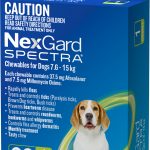
Our recommendation is an oral treatment such as Nexgard, Nexgard Spectra in combination with a Seresto tick collar. Ensuring your home environment where the dog lives is also treated and tick free is highly suggested.
E. canis is a notifiable disease is Australia. This meaning any suspicion of the disease in your dog must be reported to your local Vet hospital, DPIRD vet (department of primary industries and regional development), or the emergency animal disease hotline.
Movement from the Kimberly region requires your dog to meet certain requirements. These include having your dog on a tick prevention treatment at least 7 days prior to leaving (and having a record/proof of this), ensuring your dog is in good health and notifying the DPIRD of your exit from the Kimberly region. This region includes the shires of; Broome, derby-west Kimberley, Halls Creek and Wyndham-east Kimberly. If your dog becomes unwell/shows any signs of illness once leaving these areas you are to contact the emergency animal disease hotline.
We are currently working alongside DPIRD to conduct further surveillance of E. canis and its distribution within Australia. We are taking blood samples from numerous dogs and providing these for DPIRDS use of testing.
If you have any questions or concerns your dog may have Ehrlichiosis please contact:
· Your local vet
· Broome Veterinary hospital: 9192 1319
· DPIRD (department of primary industries and regional development): +61 1300 374 731 (1300 DPIRD1)
· The Emergency animal disease hotline: 1800 675 888
For more information surrounding Ehrlichiosis and movement of dogs from the Kimberley use this link to access DPRID’s information on this matter: